
Custom Workwear in Los Angeles — Durable Uniforms for Every Trade
By Louis A. Sandoval · Owner, Custom Ink & Thread
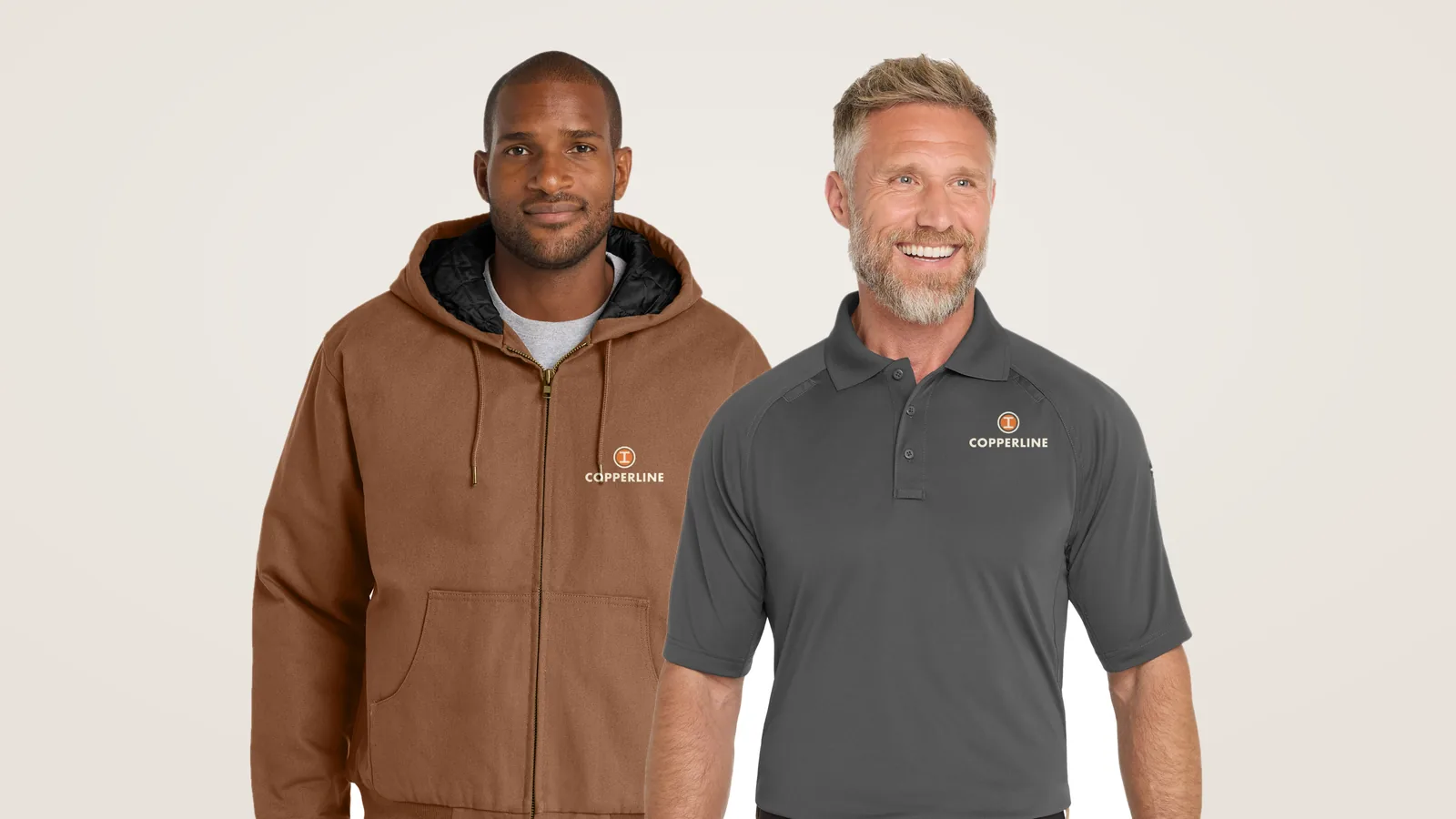
Custom workwear in Los Angeles—hi-vis vests, Dickies, Carhartt blanks, and industrial uniforms. Custom embroidery and screen printing with no minimums.
Custom workwear in Los Angeles covers a wide range of industries—construction, warehousing, landscaping, automotive shops, and film production all need branded uniforms that survive hard daily use. The priorities are durability, safety compliance where applicable, and decoration that does not degrade after commercial laundering or exposure to grease, dust, and UV.
Blank selection is critical. Brands like Carhartt, Dickies, Red Kap, and Bulwark offer garments engineered for specific trade environments, from flame-resistant coveralls to duck canvas work jackets. Embroidery is the dominant decoration method for workwear because stitching outlasts screen printing on heavy fabrics that get washed aggressively, but left-chest and name patches can also be applied via heat seal for quicker turnaround.
Being in Los Angeles means access to a broad distributor network and the ability to handle in-person fittings for mixed crews where sizing accuracy matters. If your company requires ANSI-rated hi-vis garments, confirm that the blank meets the correct class rating before decoration—adding reflective tape or logos in the wrong location can void the safety certification.
Frequently Asked Questions
- Common blanks include Carhartt, Dickies, Red Kap, Bulwark, and Berne. Availability depends on the style and size range you need.
- Embroidery is the standard for workwear because it holds up through industrial laundering and rough daily wear. Screen printing can work for lighter-duty garments or large back designs.
- Yes. Name personalization is common on workwear and can be done via embroidery or heat-applied name strips, depending on the garment type and your budget.
- Choose blanks that already meet the required ANSI class rating and confirm that logo placement does not cover reflective tape or reduce the visible fluorescent area below the standard threshold.